


Co-Login

Buyer Login
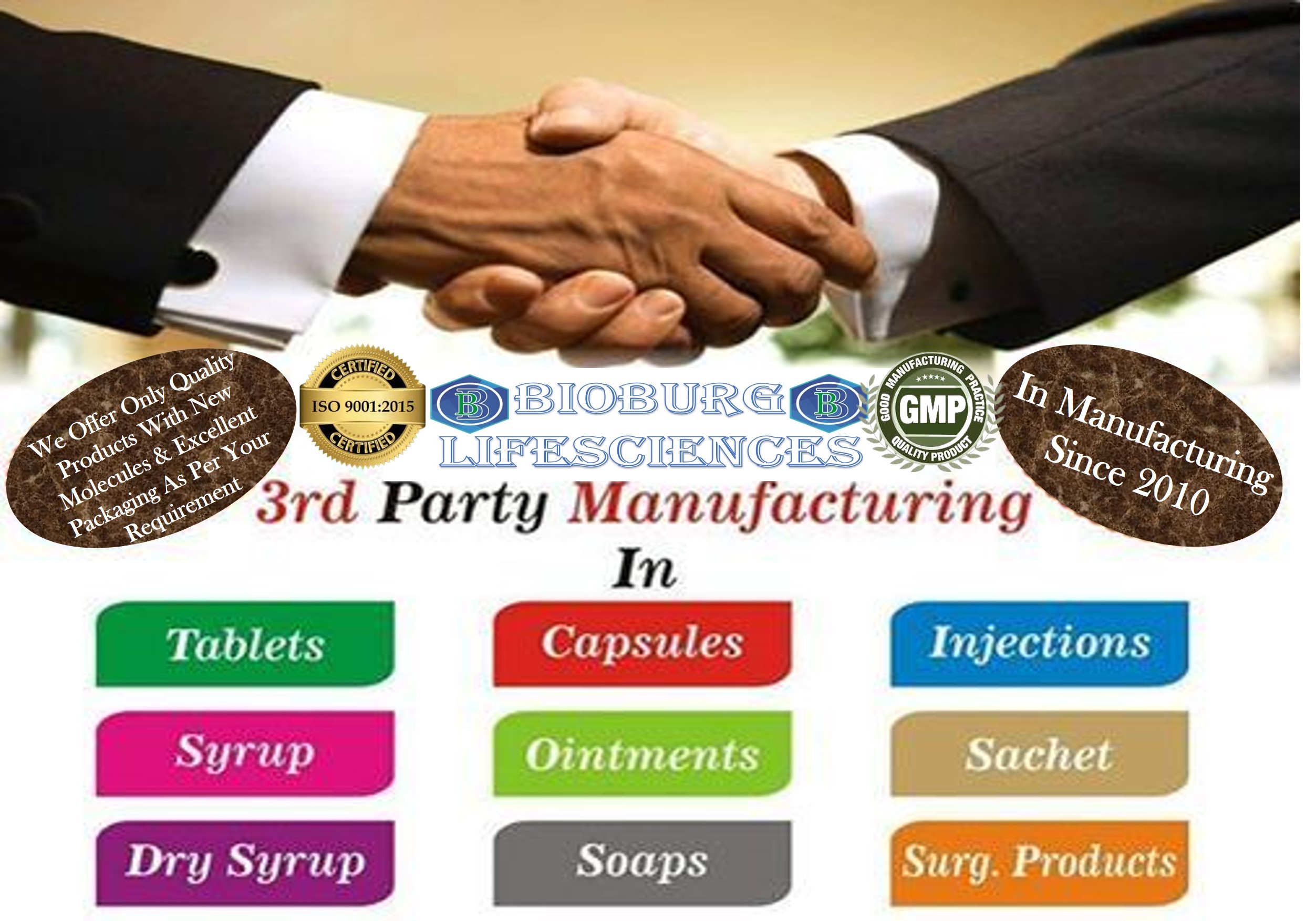
Pharma Contract & Third Party Manufacturing, designed for businesses looking to expand their brand portfolio without owning a manufacturing facility:-
1. Product Finalization : Molecule, dosage form, strength, packaging.
2. Manufacturer Selection : WHO-GMP certified preferred.
3. Quotation & MOQ : Pricing, Minimum Order Quantity.
4. Agreement Signing : Legal and regulatory agreement.
5. Product Dossier : Brand name, composition, pack style.
6. Design & Approval : Label/artwork per D&C Act
7. Manufacturing & QA : As per GMP Norms.
8. Dispatch & Billing : With Form 16/Form 20B/Form 21B copy.
9. Marketing Launch : Product promotion by your team.
📄 Documents Required :
(i0 Company PAN & GST, (ii) Drug License (Form 20B & 21B or Wholesale License), (iii) Brand Name Ownership Declaration, (iv) Agreement with Manufacturer
* WHO-GMP / ISO Certifications, * Valid Manufacturing License, * Pollution NOC, Fire NOC (if required), * QA/QC team and analytical report, * Batch-wise COA (Certificate of Analysis).
Tablets/Capsules : Antibiotics, Multivitamins.
Syrups/Suspensions : Pediatric, Digestive..
Injectables : Cephalosporins, Painkillers.
Ointments/Creams : Antifungal, Cosmetic.
Nutraceuticals : Protein powders, Softgels.
Ayurvedic/Herbal : Churnas, Syrups, Oils.
Product Manufacturing Cost : Depends on API, excipients, formulation.
Packaging Material Cost : Outer box, label, foil, bottle, carton.
Design & Plate Charges : One-time cost for new brand (~₹2,000–₹5,000)
GST & Freight : 12–18% depending on the product.
Testing Charges (if extra) : ₹500–₹2,000 per batch.
MOQ : Often 500–1,000 units per SKU.
Confidentiality : To protect formula/brand details
Quality Assurance : Must meet pharmacopeia standards.
Delivery Timeframe : Usually 30–45 days post order.
Liability for Complaints : Who handles product recall or AE.
Termination : Conditions to end the partnership.
IP Rights : Brand ownership remains with marketer.
Batch Rejection Rate : <2%
On-time Delivery : >95%
Quality Compliance : 100% with specs
Shelf Life Offered : Minimum 24–36 months
Labeling Errors : Zero tolerance.
Low Investment : No manufacturing plant needed
Wide Product Range : Can launch multiple SKUs
Focus on Marketing : Leave production to experts
Faster Time to Market : With existing manufacturers
Flexibility : Can switch manufacturers as needed
PCD (Propaganda Cum Distribution) Pharma Franchise is a business model in the pharmaceutical industry that allows individuals or small companies to market and distribute pharmaceutical products under the brand name of a larger pharma company. It is a low-investment and high-opportunity model, popular in India and other developing markets.
PCD Pharma Franchise refers to authorization given by a pharmaceutical company to an individual or distributor (franchisee) to use the company’s brand name, products, and promotional materials for marketing and distribution in a defined territory.
The term “Propaganda cum Distribution” means:
Propaganda – Promotion and marketing of pharmaceutical products.
Distribution – Supplying products to medical professionals, retailers, and institutions.
Pharma Company (Franchisor) provides:
Product list
MR packs / promotional materials
Price list & rates
Monopoly rights (area-specific)
Supply of medicines
Franchise Partner (Franchisee) handles:
Doctor visits & product marketing
Order generation
Distribution in assigned territory
Local relationship management

| Benefits | Description |
|---|---|
| Low Investment | Ideal for new entrepreneurs with small capital. |
| Monopoly Rights | Exclusive rights for a specific area or district. |
| High Return on Investment (ROI) | Profit margins are good depending on sales volume. |
| Established Brand Support | Use of reputed company name and quality products. |
| Marketing Materials | Free promotional tools: Visual aids, MR bags, pens, samples, etc. |
| Own Business | Freedom to operate independently. |
Bioburg Lifesciences PCD Pharma Companies offer a wide range of products including:
Tablets, Capsules
Injections
Syrups, Suspensions
Ointments, Creams
Ayurvedic/Herbal Medicines
Nutraceuticals
Eye/Ear drops
Pediatric & Gynae Range
Critical Care & Cardiac Diabetic Range
Drug License (Retail or Wholesale)
GST Registration
PAN Card & Aadhaar Card
Experience in Pharma Sales (preferred but not mandatory)
ISO/GMP/WHO certifications
Wide product portfolio
Timely delivery & stock availability
Transparent pricing & policies
Monopoly rights confirmation
Good market reputation
Pharma Sales Professionals
Medical Representatives
Distributors / Wholesalers / Retailers
Entrepreneurs seeking pharma business entry
If you want, I can also help you:
Draft a proposal to apply for a PCD Franchise
Compare top PCD companies in India
Create a business plan for your area
This is the franchise agreement between Bioburg Lifesciences with _______________. Bioburg Lifesciences, Plot No : A-53, FF/SF, Ramapark, Uttam Nagar, New Delhi-110059 is Supplier of this Agreement Represented By its ______________________________________________ . is a Distributer of this Agreement which is represented By _______________________________________________________________________.
This Agreement is made by date _________________ and it’s Valid for 10 years and shall be renewed at will of both parties. In case of any Dispute Between both parties, the Arbitrator shall be appointed at New Delhi by mutual agreement of both parties to settle the matter. The rates would be as per enclosed list subject to change as per fluctuation in currency or any overhead.
Bioburg Lifesciences :-
Bioburg Lifesciences Pharma is desirous of Exporting / Marketing Their Finished Pharmaceutical Products, manufactured in India and of Indian Origin for the Indian Markets.
Bioburg Lifesciences Pharma will be paid to _______________________ all expenses of Registration & proforma fee in a three Purchasing Order.
Bioburg Lifesciences Pharma will be paid a salary of one Manager Monthly and Literature, Samples and other Small Promotional Materials.
Bioburg Lifesciences Pharma is Responsible of Prepare Stock to Submit to ________________________________________________________________________ and the Rent or other Charges & responsibility of this order from Company to Delhi is on Bioburg Lifesciences pharma.
Bioburg Lifesciences Pharma is responsible of any Kind of Claims related to Quality of products in the time of Quality Control at Delhi.
Bioburg Lifesciences Pharma will Supply to ______________________________ all technical Support and Documents for health.
Bioburg Lifesciences Pharma Can Not Deal with any other person for _______________________________________. Tell the contract is Valid.
The Orders will be Prepare from 15 Days to 20 Days.
Witness: (Signature of Authorise Signatory)
1.
2.
Pharma Market Research & Analysis is the process of gathering, evaluating, and interpreting information related to the pharmaceutical industry, with the goal of making informed strategic decisions. Here's a detailed overview of how it's conducted, key focus areas, methodologies, and current trends.
Pharma Market Research involves studying:
Current market size & growth rate
Competitor performance
Consumer (patient/doctor/pharmacist) behavior
Regulatory environment
Product lifecycle and innovation
Market entry and expansion opportunities

🧪 Key Segments in Pharma Market Analysis
Oncology
Cardiology
Neurology
Infectious Diseases
Diabetes and Metabolic Disorders
Respiratory Disorders
Branded drugs
Generic drugs
Biosimilars
OTC products
Tablets/Capsules
Injections/Infusions
Syrups/Suspensions
Topicals
Inhalers
Domestic (local/regional)
International (global exports)
📊 Core Market Research Methods
1. Primary Research
Surveys with doctors, pharmacists, patients
Focus groups
Interviews with key opinion leaders (KOLs)
Field visits to hospitals and pharmacies
2. Secondary Research
Market reports (IQVIA, Frost & Sullivan, Grand View Research)
Government health data (NMPA, CDSCO, FDA, WHO)
Sales data and import/export records
Competitor websites, publications, and investor reports
3. Data Analytics
SWOT & PESTLE Analysis
Market Share Analysis
Growth forecasting (CAGR)
Pipeline & patent analysis
Pharma Product Analysis, Laboratory Process, and Product Registration, covering the essential stages of bringing a pharmaceutical product to market—from lab testing to regulatory approval.
Objective: Ensure the product meets safety, efficacy, quality, and compliance standards before launch.
✅ Key Components of Product Analysis:
|
Area |
Description |
|
API & Excipients |
Identification, purity, potency, and source of ingredients |
|
Stability Studies |
Tests under ICH conditions (temperature/humidity) for shelf life |
|
Bioavailability/Bioequivalence (BA/BE) |
To compare absorption levels (especially for generics) |
|
Dissolution & Disintegration |
To evaluate how fast the drug releases in the body |
|
Impurity Profiling |
Detect and quantify degradation products |
|
Microbiological Tests |
Especially for injectables, eye drops, or suspensions |
|
Packaging Compatibility |
Interaction of formulation with container-closure systems |

HPLC (High-Performance Liquid Chromatography)
GC (Gas Chromatography)
UV/Vis Spectroscopy
FTIR (Fourier Transform Infrared Spectroscopy)
Mass Spectrometry
Titration (manual & potentiometric)
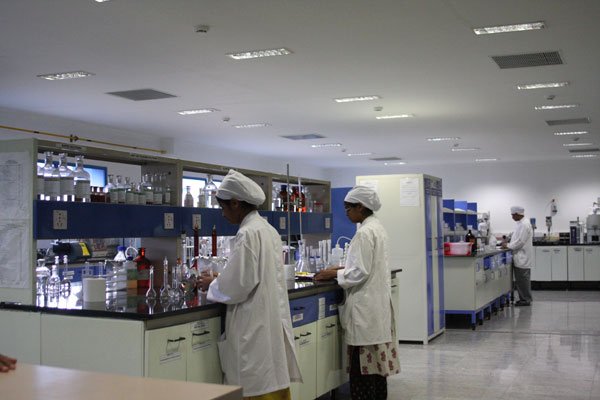
R&D Labs – Formulation development, stability testing
QC Labs – Batch-wise quality control testing
QA Labs – Documentation and compliance checks
Microbiology Labs – Sterility, endotoxin, and microbial limit testing
Sample Receipt
Batch Coding & Documentation
Testing (chemical/microbiological)
Data Logging
Report Generation (COA - Certificate of Analysis)
Release/Reject Decision by QA
cGMP (Current Good Manufacturing Practice)
GLP (Good Laboratory Practice)
21 CFR Part 11 (for electronic records in US FDA audits)
NABL Accreditation (India)
A. For Manufacturing License (New Drug/Formulation)
File Form 44 with relevant dossiers
Submit CTD (Common Technical Document)
Module 1 – Regional information (cover letter, legal docs)
Module 2-5 – Quality, safety, efficacy, non-clinical, and clinical trial data
Stability & BA/BE studies (if needed)
Labeling & packaging compliance (Schedule M, U, Y)
Review & approval from DCGI (Drug Controller General of India)
B. For Import License
Submit Form 40
Import Registration Certificate (Form 41)
Dossiers including:
Free Sale Certificate from country of origin
Manufacturing site GMP certificate
Stability data
Product samples
Local agent representation (for foreign companies)
|
Region |
Authority |
Notes |
|
USA |
US FDA |
ANDA (for generics), NDA (for new drugs) |
|
EU |
EMA |
Centralised, DCP, or MRP pathways |
|
UK |
MHRA |
Post-Brexit, separate from EMA |
|
WHO |
PQ (Prequalification) |
Needed for UN or NGO tenders |
|
Africa |
NAFDAC, SAHPRA, PPB |
Each country has its own regulator |
|
Step |
Action |
|
✔️ Product R&D |
Formulation, Preclinical & Clinical studies |
|
✔️ Analytical Testing |
In-house or third-party labs |
|
✔️ Regulatory Dossier |
CTD/eCTD submission |
|
✔️ Product Registration |
CDSCO/FDA/EMA etc. |
|
✔️ Launch Preparation |
Packaging, distribution, marketing |
Pharma Products Cost Planning & Analysis is a crucial part of pharmaceutical business management. It ensures that products are priced profitably while remaining competitive and compliant with regulatory norms. Here's a complete breakdown :
It involves estimating, controlling, and analyzing all the costs associated with:
Developing
Manufacturing
Marketing
Distributing

🧮 2. Key Components of Cost Structure in Bioburg
|
Cost Category |
Includes |
|
R&D Cost |
Discovery, preclinical, clinical trials (Phases I–III) |
|
API Cost |
Active Pharmaceutical Ingredient (sourcing or synthesis) |
|
Excipient & Packaging |
Inactive ingredients, blisters, bottles, labels |
|
Manufacturing Cost |
Equipment, labor, energy, water, maintenance |
|
Testing & QA/QC |
Laboratory costs, documentation, batch release |
|
Regulatory Compliance |
Dossier preparation, registration fees, audits |
|
Marketing & Distribution |
Promotional material, field staff, logistics |
|
Overhead Costs |
Rent, admin, utilities, depreciation |
Labor cost per batch
Energy/fuel consumption
Equipment depreciation
Waste management & compliance
Cost of dossier submission, BA/BE studies, promotional inputs.
Cost recovery planned over expected product lifecycle (3–7 years)
|
Component |
Cost (INR) |
|
API (e.g., Paracetamol) |
0.40 |
|
Excipients & Coating |
0.15 |
|
Packaging (blister, foil) |
0.20 |
|
Manufacturing (labor, power) |
0.10 |
|
QA/QC Testing |
0.05 |
|
Admin/Overhead |
0.10 |
|
Total Cost/Tablet |
₹1.00 |
Suggested selling price: ₹1.80 – ₹2.50 (with margin)
|
Tool |
Use |
|
Standard Costing |
Set predefined cost for comparison with actual |
|
Activity-Based Costing (ABC) |
Allocates indirect costs based on actual usage |
|
Break-even Analysis |
Calculates volume needed to cover costs |
|
Contribution Margin |
Selling Price – Variable Cost |
Gross Margin % = (Selling Price - COGS) / Selling Price × 100
ROI = (Net Profit / Total Investment) × 100
Payback Period = Time to recover investment
NPV & IRR (for large R&D or facility investments)
|
Area |
Strategy |
|
API |
Source from low-cost countries or develop in-house synthesis |
|
Packaging |
Bulk procurement, lightweight materials |
|
Manufacturing |
Automate processes, reduce batch failures |
|
Marketing |
Focused doctor segmentation, digital promotion |
|
Logistics |
Consolidated shipping, better distributor terms |
National Pharmaceutical Pricing Authority (NPPA) controls prices of essential drugs under DPCO.
Ceiling Price: For drugs listed in NLEM (National List of Essential Medicines)
Companies must comply with:
Form-V: For new drug launch
Form-I: For price revision
Regulatory dossier cost (e.g., EU/US compliance)
Freight & insurance
Customs duties
Country-specific registration & marketing
|
Task |
Done? |
|
API & Raw Material Costing ✔ |
|
|
Batch & Unit Costing ✔ |
|
|
Regulatory & Dossier Cost Estimation ✔ |
|
|
Sales & Marketing Budget ✔ |
|
|
Break-even & Margin Analysis ✔ |
|
|
DPCO/NPPA Compliance Check ✔ |
Pharma Business Strategy & Consumer Insights, covering how pharmaceutical companies can compete effectively while meeting the needs of doctors, patients, pharmacists, and regulators.
Pharma strategy combines scientific innovation, regulatory compliance, and commercial intelligence to create sustainable growth.
|
Pillar |
Description |
|
Product Portfolio Strategy |
Focus on niche or high-demand therapeutic segments (e.g., oncology, diabetes, CNS) |
|
Market Access Strategy |
Get product into hospitals, pharmacies, and public health systems |
|
Pricing & Reimbursement Strategy |
Align with DPCO (India), insurance, and public sector pricing |
|
Geographic Expansion |
Domestic vs. international markets (regulated vs. semi-regulated) |
|
Regulatory Compliance |
Ensure dossier quality, audits, pharmacovigilance |
|
Digital Transformation |
E-detailing, CRM for MR (Medical Rep), online marketing |
Target Physicians:
Specialists relevant to the drug (cardiologists, diabetologists)
CME (Continuing Medical Education) sponsorships
KOL (Key Opinion Leader) engagement
Route planning, sample distribution, brand reminders
CRM tools (like C-Square, Salesforce Health Cloud)
Trade schemes, credit terms
Local stockist network (CFAs and SS partners)
Mass advertising (TV, YouTube, hoardings)
Retail promotions (Buy 1 Get 1, display offers)
E-commerce channels (1mg, Netmeds, PharmEasy)
Understanding the needs and behaviors of patients, doctors, and pharmacists is essential.
Prefer evidence-based prescribing
Value safety and efficacy over price
Loyal to companies with good support and prompt service
Attuned to peer recommendations and CME content
Push high-margin generics
Prioritize companies with consistent supply
Influenced by incentives and promotional support
Cost-sensitive, especially in India
Rely on doctor’s or pharmacist’s recommendation
Increasing awareness from online health portals
By Therapy : e.g., Anti-infective, Cardio, Neuro, Gastro
By Geography : Urban vs. rural market
By Channel : Hospital, pharmacy retail, online B2C
By Class : Ethical vs. OTC
Quality-focused: “Same efficacy as MNC brands”
Affordable: “Low-cost therapy for all”
Innovation-driven: “Unique molecule/formulation”
Specialist-specific: “Trusted by dermatologists”
|
Strategy |
Details |
|
Brand Differentiation |
Different pack design, faster onset claims, USPs |
|
First Mover Advantage |
Launch new combinations or NDDS (novel delivery systems) |
|
Therapeutic Leadership |
Dominate a specific segment (e.g., 5 brands in gastro) |
|
Strategic Alliances |
Licensing, joint ventures, or tech transfers |
MR e-Detailing: Tablets for product presentations
Doctor engagement: Webinars, emailers, YouTube videos
Online pharmacies: Partnering for digital shelf space
Telemedicine: Partner with platforms to increase drug visibility
|
KPI |
Purpose |
|
Rx Generation |
Number of prescriptions per doctor |
|
Brand-wise Sales |
Monthly/quarterly sales reports |
|
Retail Offtake |
Movement from retailers to end customer |
|
Profit per Brand |
Net margin per SKU |
|
Territory Coverage |
% of active doctors and chemists visited |
|
Challenge |
Solution |
|
Doctor reluctance |
Focus on KOL support and scientific credibility |
|
Retailer push for high-margin products |
Ensure competitive margin and stock availability |
|
Regulatory hurdles |
Strong QA/QC and legal support |
|
Brand substitution |
Strong recall through branding and awareness |
A successful pharma business strategy must:
Balance compliance, innovation, and affordability
Target the right consumer (doctor/patient/pharmacist)
Leverage data and digital for growth
Align product portfolio with therapeutic trends
Pharma Brand Building & Management is a specialized strategy focused on creating trust, recall, and differentiation for pharmaceutical products in the minds of doctors, patients, and pharmacists. In a market where hundreds of similar brands compete, strong branding ensures consistent prescriptions, loyalty, and long-term growth.
It is the process of developing a unique identity, image, and positioning for a pharmaceutical product to:
|
Pillar |
Description |
|
Therapeutic Relevance |
Targeting a real, well-understood medical need |
|
Scientific Backing |
Clear evidence of efficacy and safety |
|
Visual Identity |
Consistent and appealing brand name, logo, design |
|
Promotional Strategy |
MR detailing, CME, doctor engagement, packaging |
|
Emotional Connect |
Association with care, relief, or innovation |
|
Recall Value |
Easy to remember for prescribers and retailers |
|
Strategy Type |
Example |
|
Science-Driven |
"Clinically proven to reduce BP in 3 days" |
|
Affordability-Driven |
"Best price for diabetes control" |
|
Safety-Driven |
"Lowest GI side effects in class" |
|
Innovation-Focused |
"First multilayer release tablet in India" |
|
Emotionally Driven |
"Care you can trust for your child’s fever" |
|
Element |
Role |
|
Brand Name |
Easy to pronounce, recall, and prescribe |
|
Visual Aid (VA) |
Structured tool for MR to present product benefits |
|
LBL (Leave Behind Literature) |
Reminder of brand USPs |
|
Catchy Tagline |
E.g., "Fast relief, full recovery" |
|
Packaging |
Distinctive colors, icons, and secure design |
|
Doctor Gifts/Reminders |
Branded pens, pads, digital gadgets, etc. |
|
Digital Presence |
Emailers, doctor webinars, e-detailing apps |
|
KPI |
Description |
|
Rx Count |
Total number of prescriptions per month |
|
Doctor Coverage % |
% of target doctors visited regularly |
|
Brand Recall Score |
Brand mention in surveys with doctors/pharmacists |
|
MR Productivity |
Avg. Rx per visit |
|
Retail Offtake |
Movement of product from chemist to patient |
|
Market Share |
% share in its molecule/segment |
|
Mistake |
Risk |
|
Generic sounding names |
Easy substitution by chemists |
|
Over-reliance on MR pitch |
No direct HCP/digital engagement |
|
Poor packaging |
Damaged image or confusion |
|
No regular brand updates |
Doctors forget or stop prescribing |
|
No retail connect |
Low offtake even with good Rx base |
Brand Booklet (USP, clinical proof, MR script)
Visual Aid & LBL
Scientific Monograph (for doctors)
Product Samples
Promotional Gifts (doctor branding tools)
Doctor Campaign Plan (Q1–Q4 targets)
Retailer Scheme Plan
Digital Presentation (e-detailing PDF, emailer)
Pharma brand success = Scientific strength + Doctor trust + Consistent recall
To build and manage a powerful pharma brand:
Create a clear identity
Communicate evidence-based benefits
Support MRs with strong tools
Stay top-of-mind for doctors and chemists
Pharma Regulatory, Sales & Marketing, and Business Intelligence, tailored for professionals managing pharmaceutical business operations across development, compliance, and growth:
Regulatory affairs ensure that pharmaceutical products comply with all legal and scientific requirements before and after market entry.
Dossier Preparation (CTD/eCTD for domestic and export markets)
Drug Registration & Approvals (CDSCO, FDA, EMA, WHO, etc.)
BA/BE Studies Coordination (for generics and new combinations)
Labeling Compliance (as per Schedule Y, G, H, X, etc.)
Renewals & Variations (post-approval changes, license renewals)
Audits & Inspections (regulatory agency visits, WHO-GMP audits)
CDSCO – Central Drugs Standard Control Organization
DCGI – Drugs Controller General of India
NPPA – National Pharmaceutical Pricing Authority
State FDAs – For retail/manufacturing licenses
.png)
Sales and marketing are the backbone of pharma revenue generation. It's a doctor- and chemist-driven model that increasingly includes digital channels.
|
Element |
Focus |
|
Product |
Therapeutic need, safety, efficacy, dosage form |
|
Price |
Cost-based, value-based, NPPA-compliant |
|
Place |
Distribution channels (hospital, retail, online) |
|
Promotion |
MRs, CMEs, samples, reminders, digital outreach |
Ethical Marketing: Prescription-based via doctors
Trade/Generic Marketing: Price-driven, chemist-pushed
OTC Products: Public awareness and direct advertising
Institutional Sales: Tendering to hospitals, government
Visual Aids (VA) and MR Training
CRM Software (e.g., C-Square, SFA, Veeva)
Doctor Loyalty Programs
Retailer Schemes (Discounts, bonuses)
e-Detailing & WhatsApp Marketing
Business Intelligence involves collecting, analyzing, and interpreting data to make strategic decisions that enhance performance and profitability.
Rx Data (from field, IQVIA, Medgis, etc.)
Sales Data (MR performance, region-wise sales)
Retail Offtake Reports
Competitor Activity
Market Trends & Forecasting
|
Metric |
Use |
|
Rx-to-Sales Conversion |
Tracks how Rx translates to sales |
|
Doctor Coverage % |
Measures field force penetration |
|
Brand-wise Market Share |
Position vs. competitors |
|
Secondary Sales Reports (SSR) |
Tracks distributor-to-retail flow |
|
Gross Margin & Profitability |
Per brand or product |
Excel Dashboards
Power BI / Tableau
CRM Analytics
ERP Reports (Tally Prime, SAP, etc.)
|
Function |
Strategic Use |
|
Regulatory |
Ensures product approval and lifecycle compliance |
|
Sales & Marketing |
Builds prescription, retail, and patient demand |
|
Business Intelligence |
Measures ROI and optimizes strategy |
Example Integration:
Use BI data to identify a drop in sales → Check if it's due to regulatory supply delay or competitor promo → Adjust marketing tactics accordingly.
|
Task |
Department |
|
Product Dossier (CTD format) |
Regulatory |
|
DCGI Form 44 Submission |
Regulatory |
|
MR Visual Aid & Samples Ready |
Marketing |
|
Doctor Target List Finalized |
Sales |
|
Pricing Approval from NPPA (if NLEM) |
Regulatory |
|
Primary & Secondary Sales Projections |
BI |
|
Launch Campaign + Digital Ads |
Marketing |
|
Brand Awareness Survey Post Launch |
BI |
|
Trend |
Impact |
|
AI in BI |
Predictive analytics for MR targeting |
|
Digital Marketing |
Remote detailing, WhatsApp Rx follow-ups |
|
Regulatory Tech (RegTech) |
Automated dossier submission, compliance alerts |
|
Data-Driven MR Strategy |
Smart segmentation and visit planning |
|
Function |
Focus |
|
Regulatory |
Safe, legal market entry |
|
Sales & Marketing |
Driving prescriptions and purchases |
|
Business Intelligence |
Strategic decisions based on real-time data |
Bioburg Customer Care Services are essential for building long-term trust and loyalty with all stakeholders — doctors, patients, chemists, hospitals, and institutional buyers. In today's competitive and regulated environment, proactive and compliant customer support can significantly enhance brand value and business retention.
Pharma Customer Care refers to support services provided before, during, and after the sale or prescription of pharmaceutical products, including:
Medical information
Complaint resolution
Product availability updates
Pharmacovigilance (AE/ADR reporting)
After-sales follow-up (especially B2B)

|
Stakeholder |
Type of Support |
|
Doctors (HCPs) |
Medical info, CME invites, prescription support |
|
Patients |
Dosage info, side effect queries, affordability help |
|
Retailers/Chemists |
Stock availability, scheme clarification |
|
Distributors |
Dispatch coordination, invoice/billing issues |
|
Hospitals/Government Buyers |
Delivery, compliance, and documentation |
Scientific responses to HCP queries
Dose adjustments, contraindications
Literature support (monographs, trials)
Toll-free or online AE/ADR reporting
Escalation process to Regulatory/QA team
Timely response and follow-up
Real-time product availability
Order dispatch tracking
Cold chain monitoring for sensitive drugs
Product defects (e.g., broken blister, color change)
Wrong invoice/supply
Delay in delivery
Batch recall information
For MR or Chemists — through WhatsApp/e-mail
Pictorial leaflets for patients
|
Channel |
Use |
|
Toll-Free Helpline |
For patients, doctors, chemists |
|
Email Support (medinfo@, care@) |
Detailed queries or compliance issues |
|
WhatsApp Support |
Instant info, refill support |
|
Web Chat/Chatbot |
FAQs, AE reporting, refill tracking |
|
Doctor Portals / Apps |
Personalized info, e-samples, support tickets |
|
Mobile CRM for MRs |
Instant escalation to head office team |
|
KPI |
Target |
|
Response Time |
< 24 hours |
|
Issue Resolution Time |
< 3 business days |
|
Complaint Closure Rate |
> 95% |
|
Customer Satisfaction Score (CSAT) |
4.5+ / 5 |
|
AE Reporting Compliance |
100% within TAT |
|
Repeat Contact Ratio |
< 10% (for same issue) |
|
Service |
Benefit |
|
Reminder Calls/SMS |
Boost patient adherence |
|
Home Delivery Tie-ups |
Convenience for chronic patients |
|
Doctor Digital Dashboard |
Rx history, brand updates |
|
Patient Education Material |
Increase trust and engagement |
|
Online Refill Requests |
Ease for both patients and chemists |
Keep FAQs and SOPs ready for common issues
Ensure multilingual support for patients across India
Train support staff on basic medical terminology
Maintain confidentiality and data privacy
Integrate feedback collection after each resolution
|
Mistake |
Impact |
|
Ignoring pharmacist queries |
Loss of retail trust |
|
Delay in AE response |
Regulatory non-compliance |
|
One-size-fits-all reply |
Low HCP satisfaction |
|
No follow-up on issues |
Reputation damage |
|
Manual tracking only |
High error and delay risk |
Bioburg Customer Care is not just about solving problems — it’s a strategic tool to build relationships and drive repeat business.
Great Customer Support should be:
Responsive
Scientifically accurate
Regulatory-compliant
Patient- and doctor-friendly
Tech-enabled
Bioburg E-Commerce / e-Cart Services / BB-Shop (B2B & B2C Models) — covering platform structure, business models, regulations, and growth opportunities in the digital pharma retail space :
Pharma e-commerce involves the online purchase and delivery of pharmaceutical products, either:
B2C (Business to Consumer): Patients buying from platforms like Netmeds, 1mg, PharmEasy.
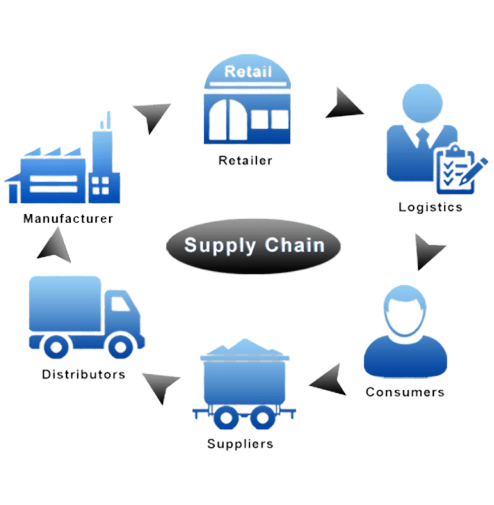
B2B (Business to Business): Chemists, hospitals, or distributors purchasing from a wholesaler or manufacturer (via a BB-Shop).
Direct Manufactring / Third Party B2B (Business to Business) :
|
Model |
Description |
Example |
|
B2C Marketplace |
Connects patients with licensed sellers |
1mg, Netmeds |
|
Inventory-led B2C |
Operates its own pharmacy and warehouse |
Apollo 24/7, Medlife |
|
B2B E-Commerce |
Online platform for distributors and chemists |
Retailio, RedBook, Netmeds Wholesale |
|
Manufacturer-led BB-Shop |
Pharma companies sell directly to stockists/retailers |
In-house BB-Shop portal or app |
Login & KYC Verification (Retailers/Distributors)
Product Catalog with Search
Discount Schemes & Offers Display
Bulk Order Cart Functionality
Credit/Debit Management
Order Tracking & Invoicing
Return & Replacement Workflow
Inventory Integration (ERP sync)
Prescription (Rx) medicines
OTC (over-the-counter) products
Wellness/Supplements
Surgical items
Ayush / Herbal
E-prescription Upload
Doctor Consultation (optional)
Location-based Availability
Secure Payment Gateway
Cold Chain Notification (for insulin, vaccines)
|
Requirement |
Applies To |
|
Valid Drug License (Form 20/21) |
All sellers |
|
Pharmacy Council Registration |
For consultation |
|
GST Registration |
All sellers |
|
E-Prescription Verification |
For Rx drugs |
|
IT Act Compliance |
Data privacy & digital signatures |
|
CDSCO Registration (Voluntary currently) |
For marketplaces |
|
Benefit |
Impact |
|
Wider Reach |
Serve remote regions |
|
24x7 Order Access |
Increases order frequency |
|
Scheme Visibility |
Promotes product rotation |
|
Data Collection |
Buyer preferences, top SKUs |
|
Stock Optimization |
Link with WMS/ERP to avoid shortage |
|
Brand Building |
Improve digital brand presence |
High-speed search and product filters
Real-time scheme updates
Timely dispatch and delivery tracking
Strong after-sales support
Unverified retailers placing orders
Slow catalog updates
Weak backend ERP integration
No notification of stock-outs or expiry
|
Feature |
Tech Suggestion |
|
Website Framework |
React.pk / Next.pk |
|
Backend |
Node.js |
|
Database |
MySQL or MongoDB |
|
Mobile App |
Android |
|
Hosting |
AWS |
|
Payment Gateway |
Razorpay / PayU / PhonePe / Paytm |
|
ERP Integration |
Tally/SAP/Odoo API |
|
Analytics |
Google Analytics, Mixpanel |
|
KPI |
Target |
|
Cart Conversion Rate |
>10% (B2C), >30% (B2B) |
|
Average Order Value (AOV) |
₹1500–₹5000 |
|
Repeat Customer Rate |
>50% |
|
Delivery TAT |
<48 hours |
|
Stock Out Rate |
<2% |
|
Return Rate |
<1.5% (Rx products) |
Phase 1: Setup
Finalize product catalog, pricing, and schemes
Build website/app
Integrate with stock & invoice system
Phase 2: Launch
Register top 500 chemists/distributors
Run onboarding offers
Train sales team to promote BB-Shop
Phase 3: Scale
Offer exclusive e-coupons
Use WhatsApp push marketing
Analyze buyer behavior to promote combos/high-margin SKUs
Pharma e-Commerce + BB-Shop unlocks scale, convenience, and visibility in both B2C and B2B models.
|
For Manufacturers |
Launch BB-Shop to serve Chemists & Hospitals Directly |
|
For Distributors |
Use e-cart apps to manage schemes, billing, dispatch |
|
For Consumers |
B2B e-commerce / BB-Shop offers Customor + delivery |
| For Consumers | B2C e-commerce / BB-Shop offers patient education + delivery |